
Trauma: A disease that plagues us all.
Suffering is a despised part of the human condition. It fractures what was meant to be whole and alters our course of life. In a broken world, people are shaped by what they experience and by what they are denied. We adapt to survive, often without realizing how deeply those adaptations take root. We search for relief, for meaning, for healing — not because of weakness, but because something essential was disrupted. Trauma is what forms when essential needs go unmet and the self adapts around that absence.
have a right to name what happened to them
are entitled to safety
have a right to be heard
are not disposable
deserve to have their identity respected
have a right to exist
deserve control over their own bodies
have a right to say no
deserve truth
need honesty
deserve the ability to choose
have a right to boundaries
…People are meant to matter
People
are entitled to receive care without conditions
are entitled to express themselves
have inherent worth
deserve protection from harm
are entitled to consent
deserve to exist without justification
need compassion
If People are Deprived of These Essentials
The Self Adapts to Survive
When essential needs are unmet or when a person’s rights, boundaries, or dignity are violated, the self adapts in order to remain safe, connected, or accepted. This can involve reshaping identity, minimizing needs, or ignoring the self entirely in order to become acceptable. The self begins to stay alert to changes it must make, and withdraws from the pieces that made the entirety of its being. These responses form as the self learns what is necessary to stay or become safe and to get its needs met within the conditions it is given. The self will do anything to survive.
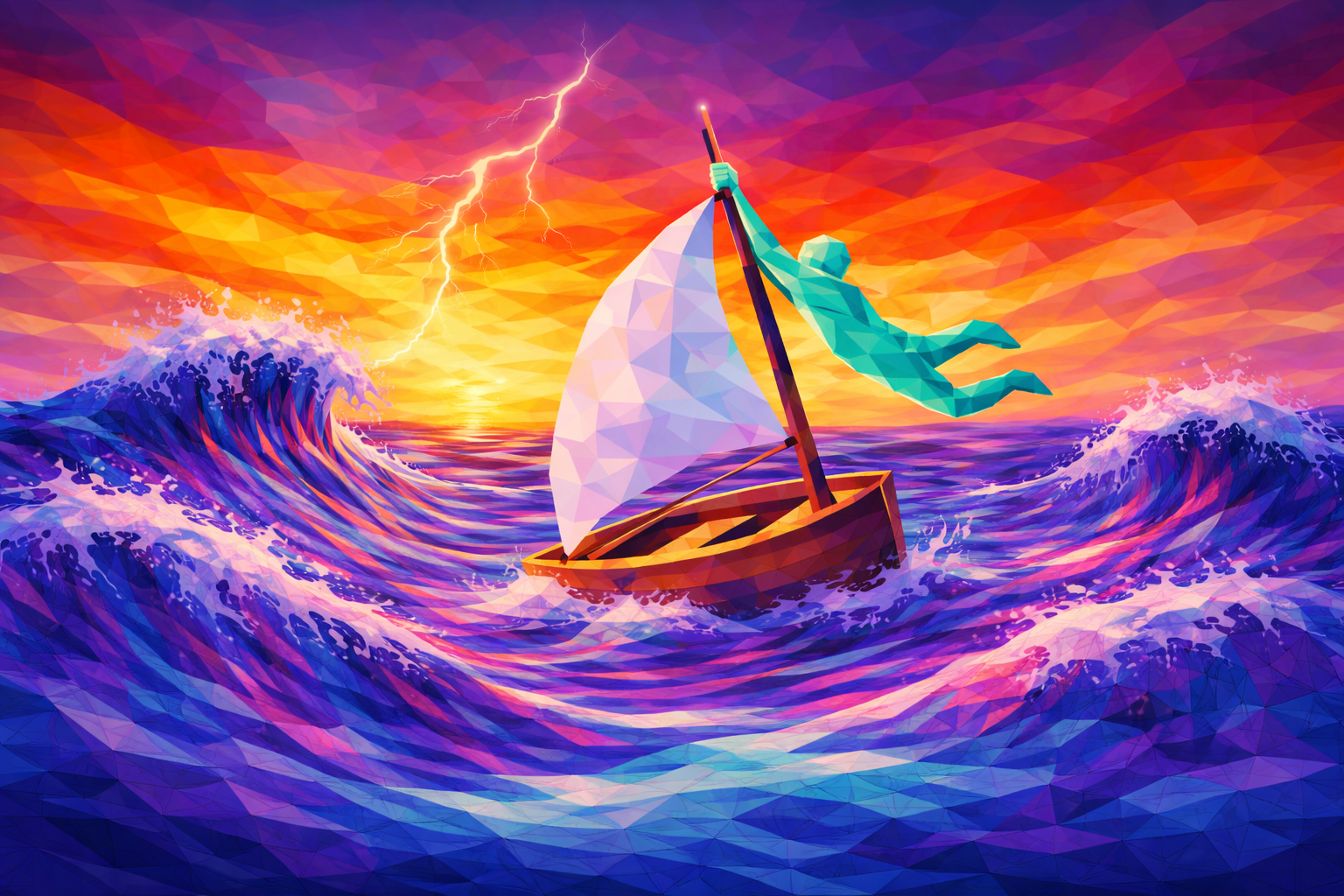
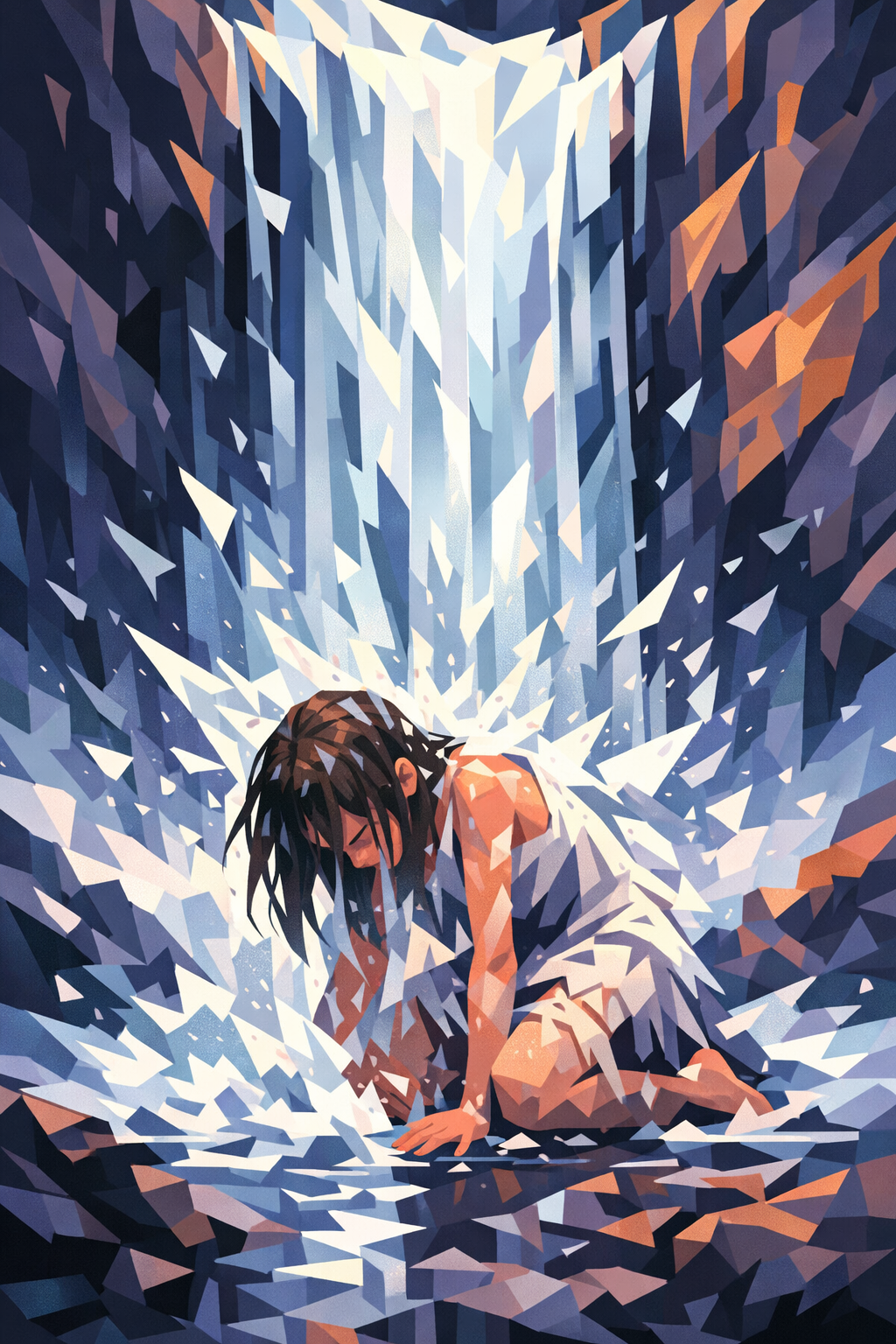
Like the force of a waterfall striking the back, trauma alters how a person moves through the world — not only in self-protection, but in heightened reactivity to injustice, a deeper empathy for suffering, and an acute awareness of others’ pain. At the same time, it can produce numbing, detachment, or a disconnection from the self as the body attempts to manage sustained overwhelm. All of these effects together can be draining, pulling a person into rumination and an ongoing struggle to reach a calmness that feels impossible to manage. Trauma cascades the self into a state of constant strain. Healing becomes a desperate desire — a final hope to live in peace.
In some cases, the self’s learned responses recalibrate the body. Survival adaptations can move beyond patterns of behavior and become automatic physical reactions, interfering with the ability to register the present as separate from the past.
Below are poetry expressions, depicting the absence of core entitlements:
How Survival Shapes the Self
The self becomes fused with the adaptations that formed in order to protect itself. When exposure to conditions that are overwhelming to the self are prolonged, the patterns it used to become safe can become embedded ways of living. Even after leaving an environment that removed parts of the self, the patterns that contributed to a safe existence may persist in the new environment.
Though the surroundings changed, the mold that the previous habitat formed has remained the same. The self brings their maladapted mechanisms into any new space enabling behaviors, thoughts and reactions to live on in the new environment.
When the Self is Not Welcome
Source of tears never shed,
Unheard, and never fed (My identity)
Sights of death,
Target me
To kill my individuality
She changed my mind
I’m on a thread.
Loose and bare,
So shy— it isn’t fair.
I once was me,
When I was born,
I did have
Personality
seeking validation or permission from others
adjusting their personality to fit what is expected

the struggle to identify their own needs or preferences
feeling of shame when expressing individuality
the hesitation to take up space or be seen
Survival Adaptations of Not Being Seen
Welded acceptance
I am not free
She held me down
To wear a crown—
It did not fit,
It wasn’t me.

When Existence Is
“There’s No Such Thing as a Blue Rose”
But there is.
I exist
Here I am
Why can’t anyone see me?
Survival Adaptions of Not Being Allowed to Exist:
• Becoming who others required — reshaping identity to maintain connection or acceptance.
• Hyper-compliance — automatically agreeing or conforming even when it overrides personal truth.
Unrecognized
Unrecognized
• Fear of rejection when expressing one’s true self — anticipating loss or hostility when being authentic.
• Dissociation or retreat into imagination — creating an internal space where the self can exist more freely.
•
•
•
•
Common Survival Adaptations
Hypervigilance
Constant scanning for threat, danger, or shifts in others’ moods — even in safe environments.
People-pleasing / Fawning
Prioritizing others’ needs, agreement, or comfort to maintain safety, reduce conflict, or avoid abandonment.
Emotional suppression or numbness
Dampening feelings to endure overwhelming situations where emotional expression was unsafe or futile.
Over-responsibility
Taking on excessive responsibility for others’ emotions, outcomes, or well-being as a means of maintaining stability.
•
•
•
•
Not an exhaustive list
Control behaviors
Rigid routines, perfectionism, or micromanagement used to create predictability where none existed.
Withdrawal or isolation
Pulling inward or disconnecting from others to reduce exposure to harm, rejection, or disappointment.
Appeasement or compliance
Automatically yielding, obeying, or staying quiet to avoid escalation or punishment.
Defensiveness or reactivity
Strong emotional or physical responses triggered by perceived threat, even when no danger is present.
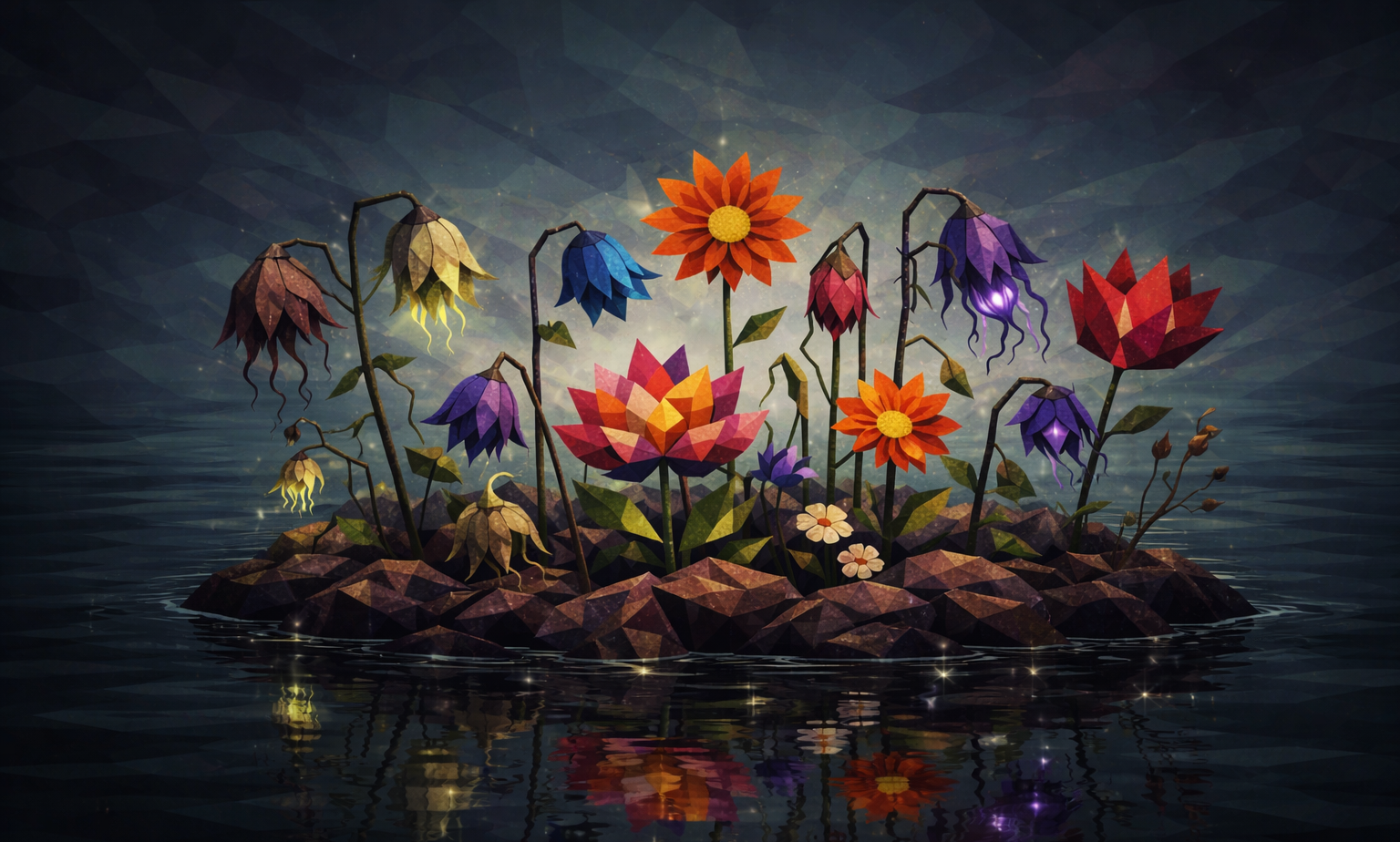
How the Shape of the Self Ripples Outward
I’m a piece
Formed by pain
I take a step
You step with me.
We flow together
It’s unhealthy
We bring pain
Unintentionally.
We don’t stop
This is the dance
Flowers erupt
Of different kinds.
Different vines
Are our spines.
We see each other
With different eyes.
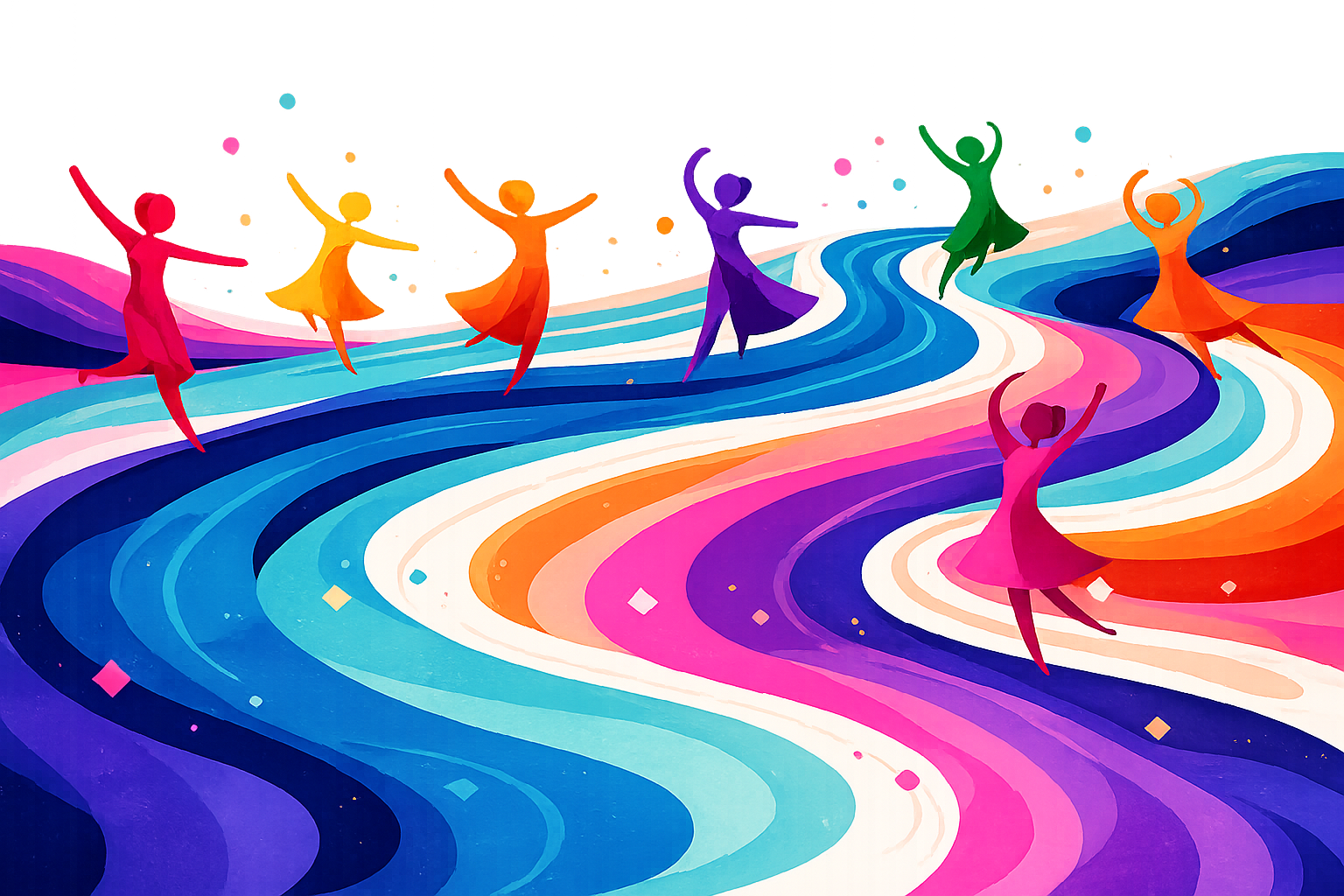
The Ripple of Life
Without meaning to, we affect those around us — whether it be family, friends, co-workers, or people we pass on the street. We meet them where we are, in the state that we have developed up to in that point. We have the power to change others with our behavior, words, and habits, and people will bounce off of us with their own reactions in turn.
If we are unhealed, we bring that with us into our interactions. If we are healed, we bring that with us as well. And whether or not the person we are interacting with is healed or not, they are also bringing their current state of being, and we will react to that.
It is a back-and-forth of infinite reactions that can, at times, unduly affect ourselves and those around us, even when no harm was intended. Each interaction carries influence. The way one person speaks, reacts, withdraws, or responds can shape the emotional and psychological direction of another.
Over time, these repeated exchanges accumulate, quietly contributing to the larger picture of a person’s life — how they see themselves, how they relate to others, and how they move through the world. And sometimes, the effect is not a positive one.
The Dance of Reach
Positive or negative
We have a voice
Life’s parallel rivers
We have a choice
Screams or silence
Bring about reach
Our breath is the wind
Held inside our hands
We push outwards,
Moving folks along.
Who we are matters,
Our traumas involved—
We scrape past people
With our scars and our truths
We indent their perception
We may not refuse
A grimace or a smile
Prediction won’t be
Lasting impression,
There may be a fee.
A cost of ourselves
We present and we pay
Ripples of dance
We can hope, we can pray.

How do people come to carry what they carry?
This page will be available soon.