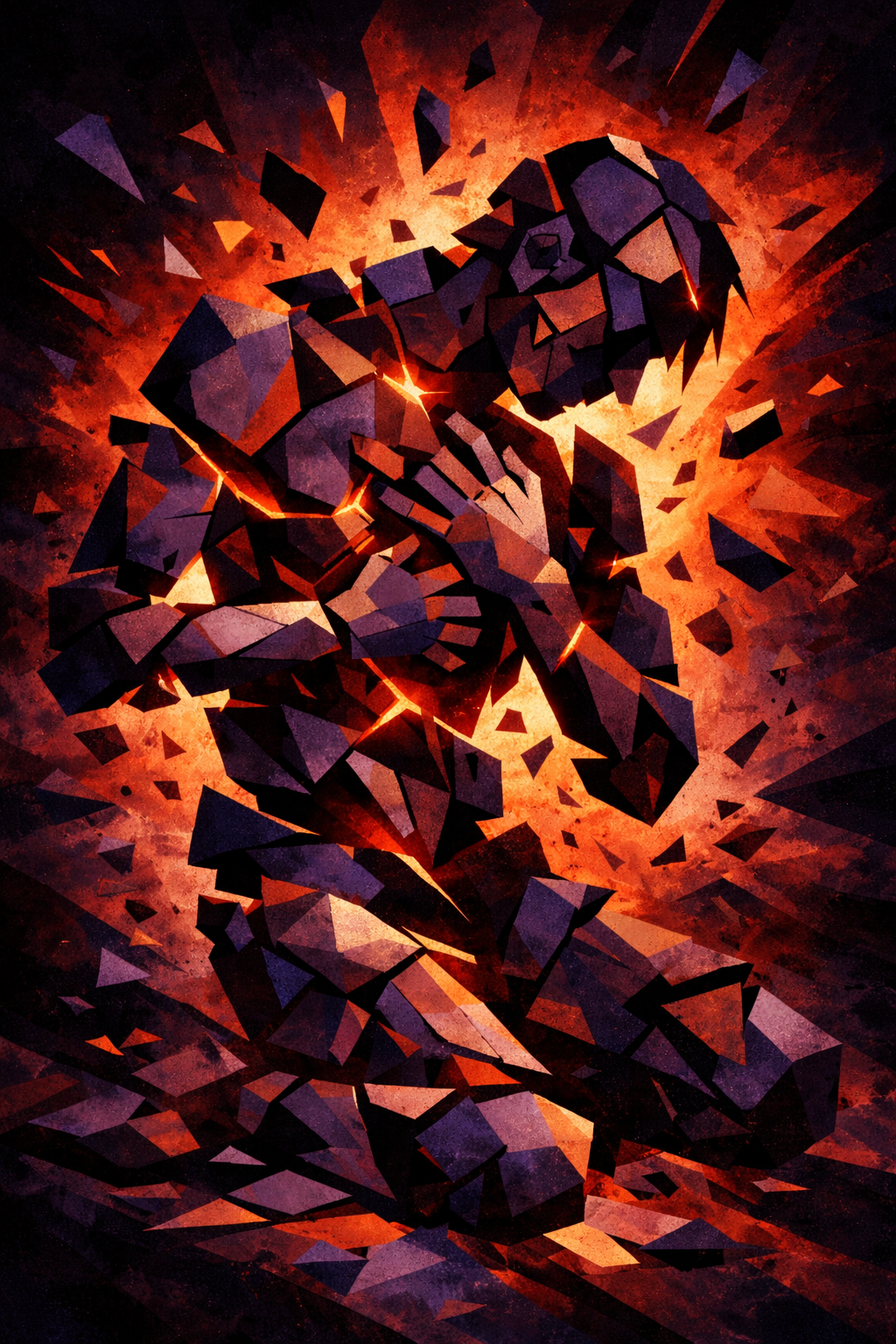
Embodied Truth
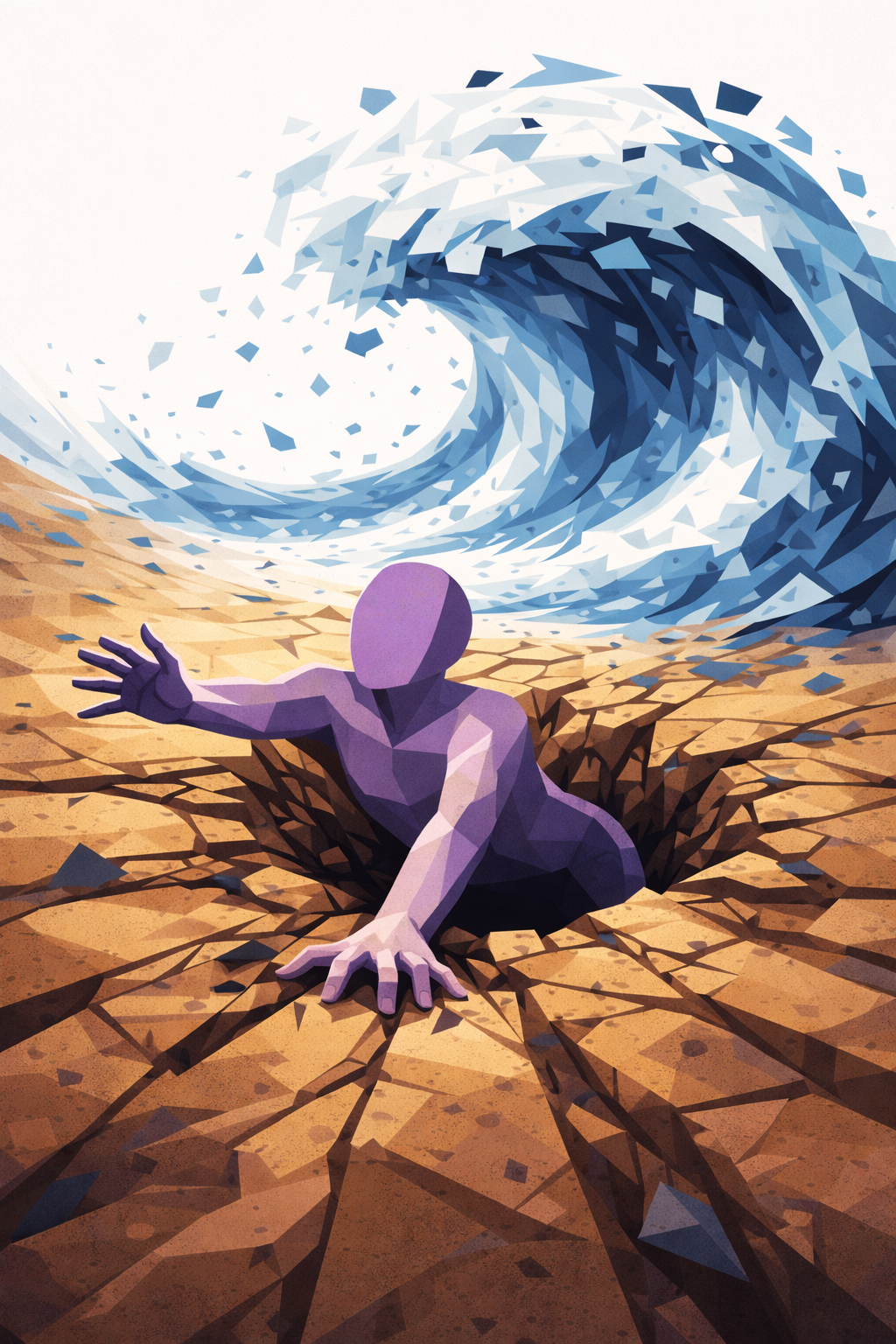
PTSD, a tidal wave of chaos unleashed upon the body, forcing us to drown atop dry land.
An invisible destruction that cloaks us until we gain awareness of its presence. And even then, we have little power to alter its course.
We live our lives, searching for comfortability— not realizing the depth that trauma can hold. Unless we are graced with an alternate truth, our whole lives may be lived without becoming aware that we need aid.
It is not shameful to be held captive by our own bodies; in fact, we have no choice. Shocking and unruly experiences exist, and when we face them, our bodies absorb the impact.
Time dissipates and we foolishly believe we should be able to simply move on, forget the past, and release it into the abyss. But it is not so— our minds may block it out, but our bodies remember for us. Our bodies do not let it go.
It is a protection mechanism. Its purpose is to keep us safe. The issue is, if our painful environment is no longer present, the trauma responses our body provides are of little use.
What is PTSD?
Post Traumatic Stress Disorder. The aftermath of catastrophe on the body’s nervous system. The physical remembrance of how your body reacted to your traumatic experience.
Making Sense of PTSD

When PTSD Is Activated
When a person with PTSD encounters something that feels threatening — even subtly — the body may shift into a survival response automatically. This happens quickly, often before conscious thought, and is not a choice.
These responses are patterns the nervous system learned in order to survive. A person may rely on one response more than others, or move between several depending on stress, environment, and perceived safety.
Below are the four most common trauma responses. Each one reflects a different way the body attempts to protect itself when survival mode is activated.
-
The fight response organizes the body toward confrontation. Energy rises, muscles tense, and the system becomes ready to push back, dominate, or resist what feels threatening. Anger, irritability, hostility, or a need for control often surface quickly, sometimes before conscious thought. The world may feel coercive, manipulative, or invasive, as though something must be opposed in order to stay intact. This response does not arise from cruelty; it arises from a nervous system that learned safety depended on force and resistance. Internally, the body operates from the belief, “If I don’t fight, I will be overrun.”
-
The flight response pulls the body into motion. The nervous system remains activated, keeping the heart racing, the breath shallow, and the body alert even in calm environments. Stillness can feel unsafe or unbearable, as though stopping would allow danger to surface. This often shows up as constant doing — pacing, overworking, planning, distracting, or staying busy past exhaustion. Rather than confrontation, the body seeks escape. Internally, slowing down feels dangerous, as though safety depends on staying in motion.
-
The freeze response shuts the system down when neither fighting nor escaping feels possible. Energy drops, movement becomes heavy or stalled, and the mind may feel foggy, distant, or unreachable. At times, the body will not move at all, even with conscious effort — as though signals to act are no longer reaching the body. Breathing can become shallow, speech difficult, and time may feel suspended. This is not rest or calm — it is immobilization. Even simple tasks can feel impossible, not because of unwillingness, but because the body is offline. Freeze reflects a nervous system attempting to survive by minimizing presence, shaped by the experience that moving forward is not safe.
-
The fawn response organizes the body around appeasement. Attention turns outward, scanning for cues of approval and disapproval, while also remaining alert to shifting mood and tracking others’ reactions and expectations. The body may remain tense while personal needs, emotions, or boundaries are suppressed. Saying no, disagreeing, or asserting oneself can trigger anxiety, tightness in the chest or throat, or a sense of danger. Compliance often feels automatic rather than chosen. This response develops when safety depended on staying agreeable, carrying the internal rule, “If I adapt to others, I will be safe.”
PTSD Is Hard
PTSD is exhausting in ways that are difficult to explain. It can stop life without announcing itself. Time passes, and plans fall away. Relationships strain or quietly disappear. The world keeps moving forward while the person living with PTSD remains stuck, spending enormous energy just trying to feel okay.
This is a stark contrast to life lived strictly in survival mode, where a person can appear fully functioning on the outside while internally responding to trauma. What looks like strength or productivity is often a constant state of reaction. It is the body remaining braced for danger — alert and reactive, even when no immediate threat is present. Constant vigilance or emotional shutdown overrides the body’s ability to simply live in the present. Instead of feeling at peace in the here and now, the body reacts to reminders of the past.
This kind of functioning is incredibly demanding and steadily depletes a person’s energy and capacity. Those observing someone with PTSD may feel confused by behaviors they witness, not realizing the true weight the person is carrying.

PTSD Is Unpredictable — Until It Isn’t
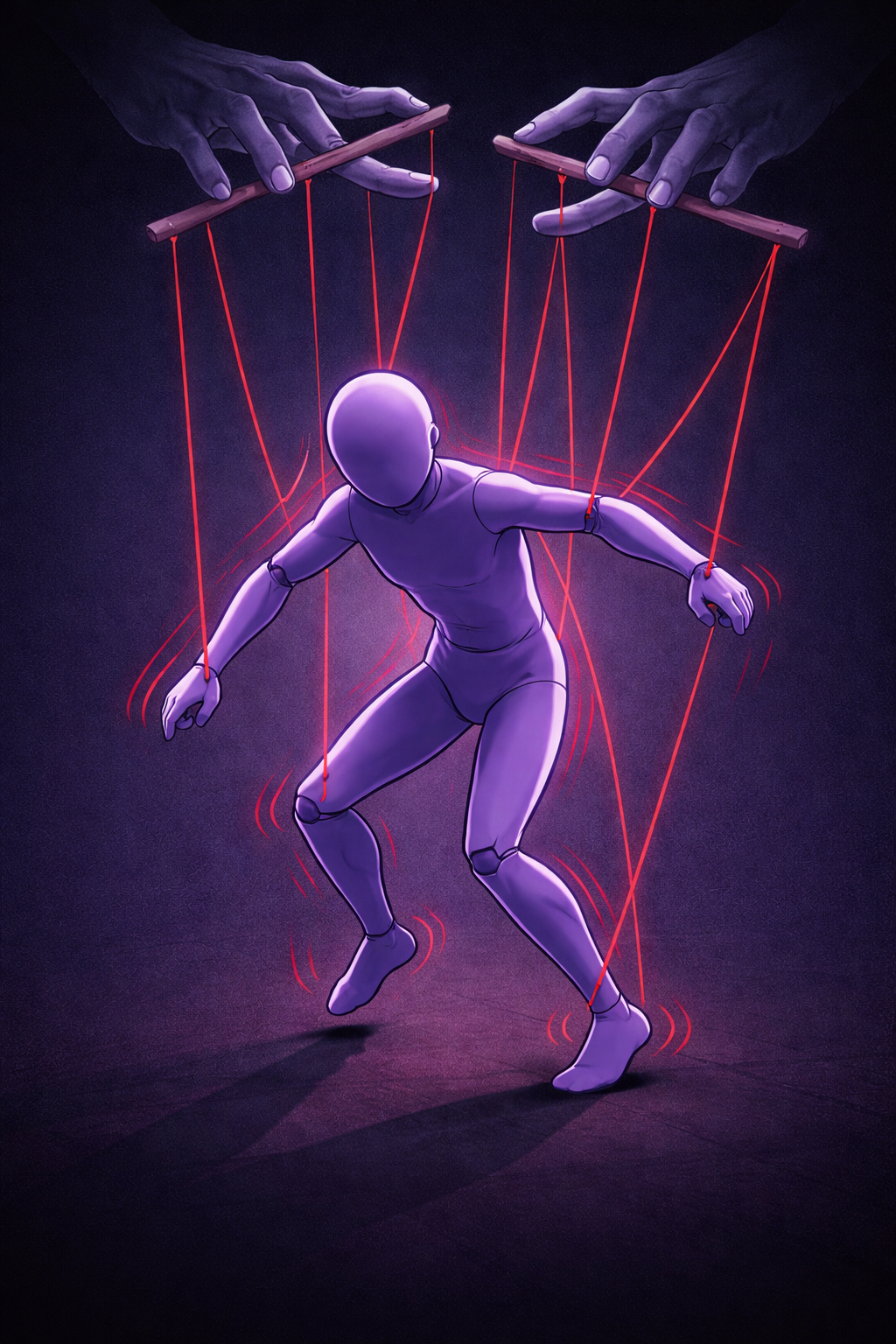
Before it is understood, PTSD can feel chaotic and unexplainable. Reactions seem to come out of nowhere. Emotions shift without warning. The body reacts in ways that do not appear to match the present moment.
These reactions are not random. They are rooted in a previous environment where the body had to protect itself to survive. Heightened alertness, rapid reactions, and constant readiness were useful. They fit the circumstances at the time. The problem is not that these protective responses exist — it is that they remain active after the danger is gone.
When a person moves into a different environment, away from the original threat, the body does not automatically update. Trauma responses continue without control or consent. Without awareness, rapid reactions to seemingly safe things can feel unpredictable.
When beliefs are challenged — when reality no longer aligns with the body’s reactions and this mismatch becomes noticeable — awareness begins. Through reflection, it becomes possible to discover when the body first began feeling off: a shift in tone, a sentence spoken, a smell in the air, a facial expression, a setting. These moments are called triggers. They are not always dramatic or obvious, but they are consistent.
This is where unpredictability begins to change. The reaction may still happen, but it is no longer unexpected. Questions can be asked: What just happened? Where was I? What changed right before I started feeling off? That awareness may be small, but it is the beginning of feeling safe inside the body.
PTSD is unpredictable until it isn’t. Understanding does not bring immediate control, but it creates a foothold — and that foothold is where the real work begins.

What happens in the body when a trigger occurs?
Shallow or restricted breathing
Breath holding
Tightness or pressure in the chest
Racing heart rate
Muscle tension or clenching
Shoulder or neck tension
Immobility or freezing
Shaking or trembling
Intense fear
Urge to flee
Urge to fight
Heightened alertness
Sensitivity to sound or movement
Tunnel vision or narrowed focus
Feeling detached from surroundings
Note: Not every reaction is represented here.
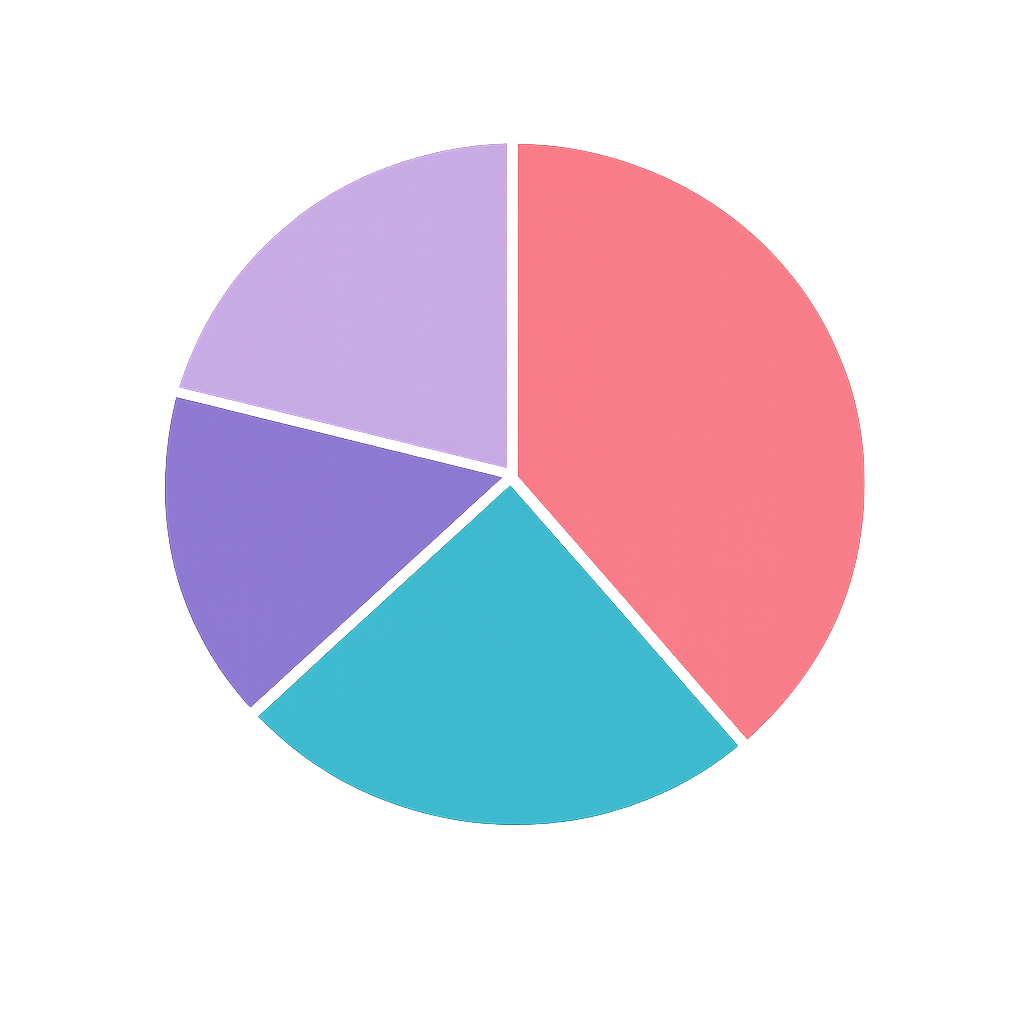
What happens in the mind when a trigger occurs?
Reflective thinking
Decision making
Verbal access
Threat focused attention
Illustration represents reduced access to certain functions during a trigger and does not reflect exact percentages.
Awareness
takes you
like a storm
You don't know where the wind came from, you don't know where the waves will lead.
The ocean slams you side to side
up against the walls of your boat,
making you wish to defeat.
Why did this occur?
Why could you not remain ignorant to what you need to change—
prolonging the bliss for one more moment?
Awareness has captured you, swept you along.
You have to change now.
It's either up or down.
Sink to the ocean floor or rise out of the boat.
You're belonging is not in the boat getting crashed along.
Ignorance is bliss,
that's what they say.
And they're correct.
So correct.
If I'm aware, I have to change.
And if I have to change,
that means I have to work.
Because if I don't,
I will sink.
Sink to a bottom that swallows me.

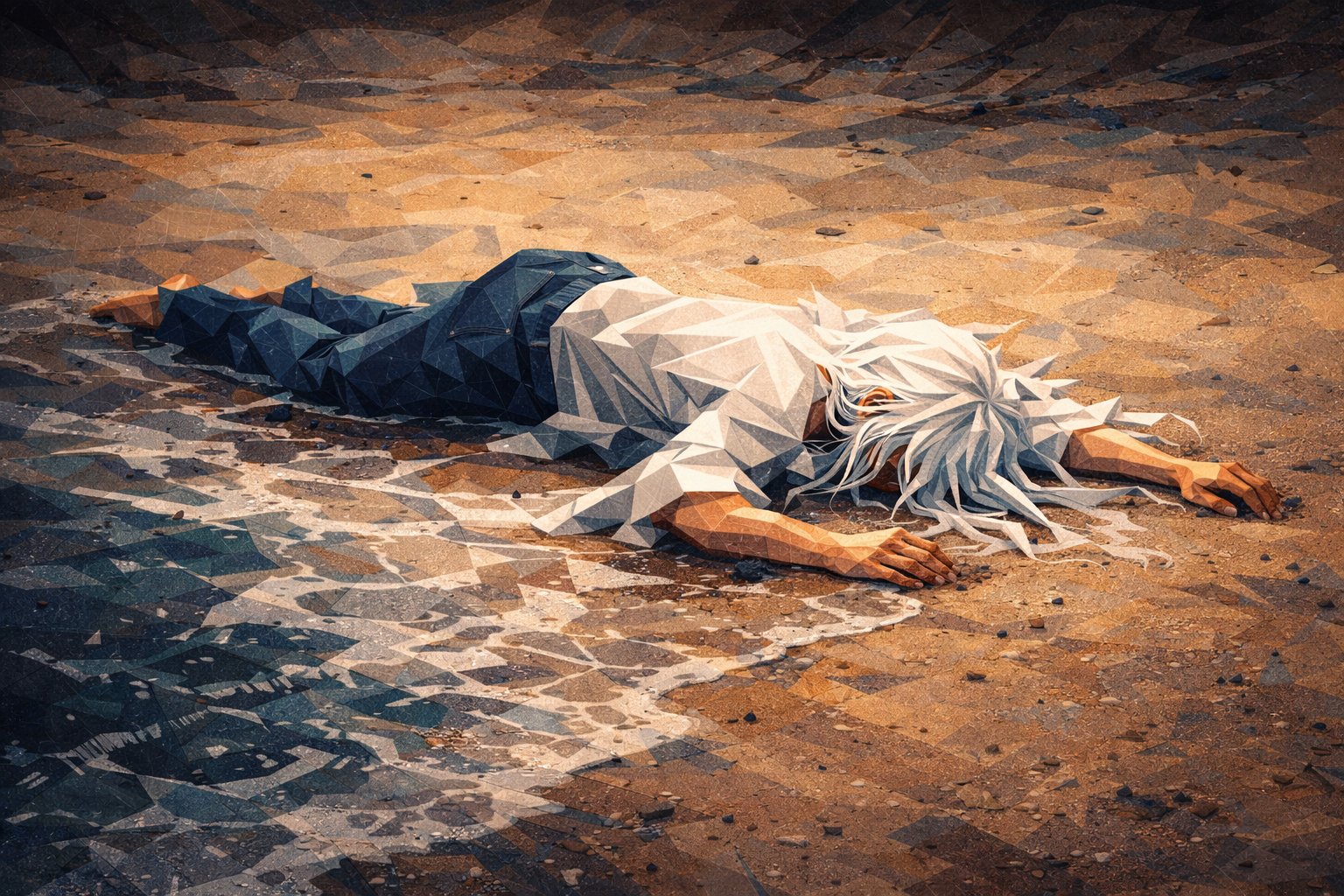
PTSD Lives in the Body, Not the Mind
The body reacts before thinking has a chance to show up.
The reaction is already happening while the mind is still trying to figure out what’s wrong.
PTSD makes the body hyper-aware of everything around it. It is always watching. Always scanning. Anything can register as danger — a tone of voice, a facial expression, a sound, a smell, a presence, a shift in the room. The body pinpoints what it perceives as threat and reacts.
Once triggered by the perceived danger, thinking diminishes. It becomes hard or impossible to think clearly at all. The body feels in danger, and danger demands action. Fight. Defend. Freeze. Shut down. Escape. The response takes over whether it makes sense or not.
This is not subtle. It is physical. The heart races. The body tightens. The sense of threat is immediate and consuming. And it can be impossible to claw your way out of the reaction once it has started.
Awareness does not stop it. Even when the response is recognized for what it is, the body may still be unable to stand down. Knowing what is happening does not equal control. The body continues doing what it learned to do in order to survive, even when there is no longer anything to escape.
Run.
Get away from me!
Don't touch me!
NO.
Fight!
STOP.
I CAN'T.
Run. Get away from me! Don't touch me! NO. Fight! STOP. I CAN'T.
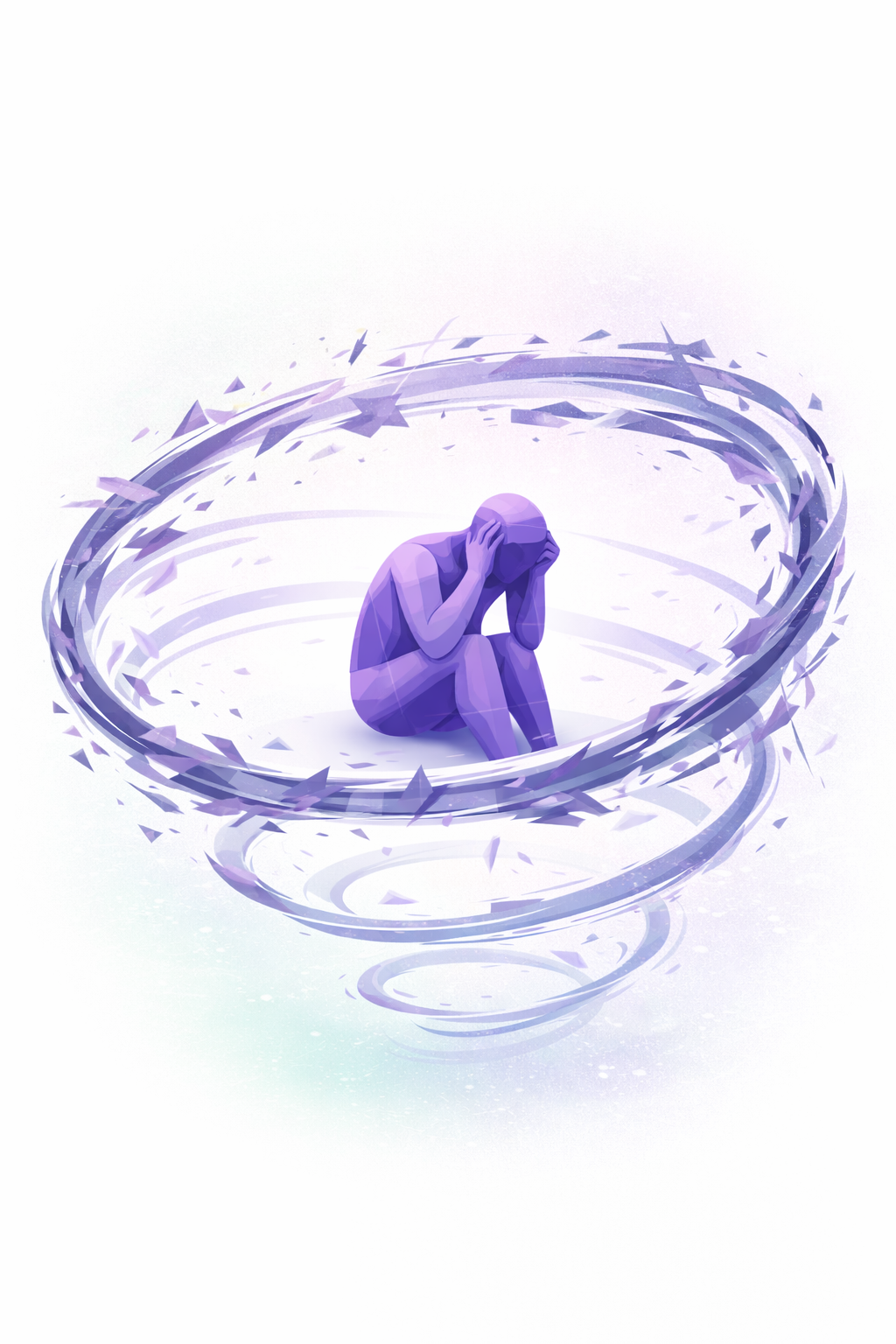
Lived Reality
The light's flickering, and I kind of like it. Because right now, that's what's inside me. A flickering persistence of the physical aspect of PTSD, and the knowledge that I am safe in God's arms. I know God is with me - it's just trying to get my body to feel the same way. But I know, I'm okay, I'm okay, I'm okay. I am okay, mind, no matter what you have to say about it. I am okay heart, no matter how much you want to race. I am okay self, no matter how much you want to bolt from anything good. I am trying to react to what is actually in front of me, not what I expect to happen next, because what I anticipate is not here — and I do not have to fight what is not coming.